
Marine environments are some of the harshest places to expect a sealant to perform. Constant water exposure, salt, UV radiation, vibration, and temperature fluctuations all place extreme stress on the materials that boat builders and marine manufacturers rely on.
Choosing the wrong marine sealant doesn’t just lead to cosmetic issues — it can create structural failures, chronic leaks, and costly warranty callbacks.
That’s why understanding the difference between above-waterline and below-waterline requirements is critical. Each zone experiences different levels of exposure, movement, and environmental stress, and the sealant you choose needs to match those demands.
Today’s marine manufacturers increasingly depend on hybrid polymer sealants, which outperform traditional silicone and polyurethane when long-term adhesion, elasticity, and durability matter most.
While marine manufacturers often distinguish between sealants (materials that provide flexible, watertight sealing) and adhesives (materials that provide structural bonding), modern hybrid polymer technologies allow a single product to function as both.
This versatility makes hybrid marine sealants and adhesives ideal for mixed-material assemblies above and below the waterline. They outperform traditional silicone and polyurethane when long-term adhesion, elasticity, and durability matter most.
In this guide, you’ll learn:
- What environmental factors affect marine sealant performance
- How the above-waterline and below-waterline needs differ
- Why hybrid polymer technology provides superior protection
- How to choose the right sealant based on your application
- Where Seal Bond® 105 fits into high-performance marine manufacturing
First, Understand Exposure Levels Before Choosing Marine Sealants
Before selecting any marine sealant, you need to understand the specific stresses your application will face.
Here are the performance conditions that matter most:
Constant Water Contact (Submersion)
Continuous exposure to freshwater or saltwater increases the potential for sealant breakdown. Below-waterline joints demand long-term waterproofing and resistance to hydrostatic pressure.
Saltwater Exposure
Salt accelerates corrosion and degrades many traditional sealant chemistries. A marine-grade product must resist salt crystallization and chemical attack.
UV Exposure & Long-Term Weathering
Sunlight causes some sealants (mainly polyurethane) to yellow, harden, or crack. Above-waterline areas require strong UV stability.
Vibration From Engines & Hull Movement
Boats flex, engines vibrate, and hulls twist under load. Sealants must remain elastic enough to absorb movement without losing adhesion.
Temperature Swings & Thermal Expansion
Marine components constantly expand and contract. A high-performance sealant must maintain its bond across temperature shifts.
Bonding Dissimilar Substrates
From aluminum and composites to fiberglass and plastics, marine assemblies often involve a mix of materials. You need a sealant that can bond securely to all of them without the need for primers.
Bottom line:
Each of these factors introduces stress that can cause sealants to shrink, crack, lose adhesion, or fail prematurely.
Modern hybrid polymer sealants withstand these challenges far better than traditional silicone or polyurethane, making them the preferred choice for today’s marine manufacturing and repair environments.
Then, Determine What Performance You Actually Need:
1. Marine Sealants for Above-Waterline Applications:
Above the waterline, sealants face a different set of demands.
The risk of constant submersion is low, but components in these zones still undergo movement, UV exposure, and weathering — all of which require a durable, flexible, and clean-finishing sealant.
Common Above-Waterline Areas:
- Rails and deck hardware
- Hatches and windows
- Cabins, consoles, and topside trim
- Interior bonding and sealing applications
Key Sealant Requirements:
UV resistance
Sun exposure is constant on deck. A suitable sealant must resist yellowing, chalking, and surface degradation.
Flexibility under vibration
Movement from engines, wave impacts, and general motion requires a sealant that remains elastic over time.
Paint compatibility
Many topside installations require a seamless finish. Unlike silicone, hybrid polymer sealants can be painted for a clean, uniform appearance.
Low shrinkage & clean finish
A smooth bead and minimal shrinkage help maintain both performance and aesthetics in visible areas.
Moderate to high adhesion
Above-waterline areas don’t experience constant hydrostatic pressure, but they still require a dependable bond that withstands weather and movement.
Why Silicone Isn’t Always the Right Choice
Silicone is commonly used above the waterline because it offers strong UV resistance and remains flexible.
But it comes with limitations:
- Poor adhesion to many substrates
- Not paintable
- More prone to dirt pickup and surface contamination
- Can release oils that affect surrounding materials
For marine manufacturers seeking strong adhesion and a clean, paintable finish, hybrid polymer sealants provide a clear performance advantage.
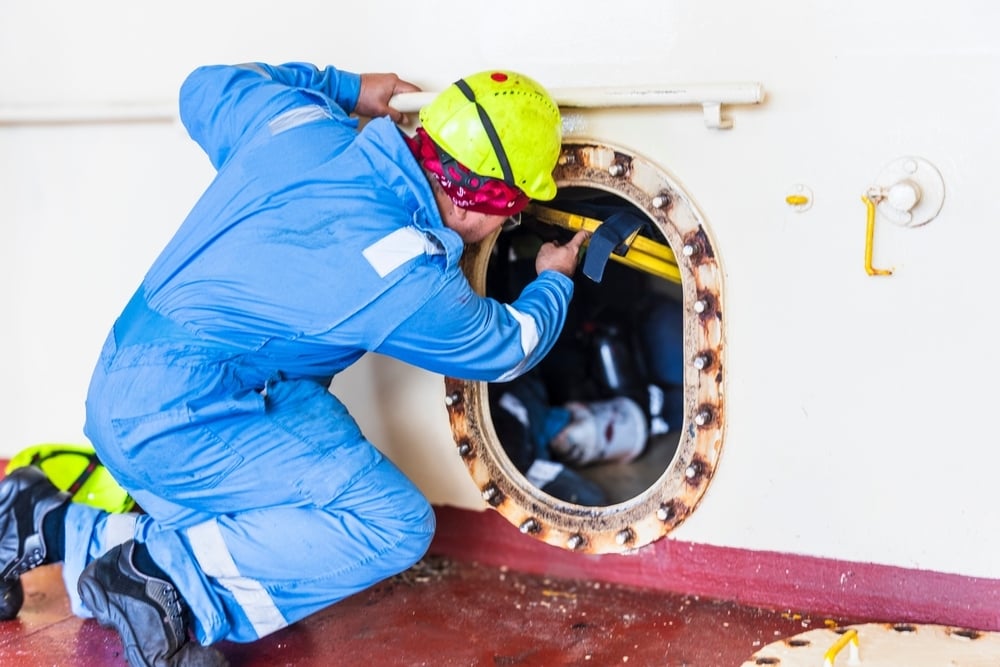
2. Marine Sealants for Below-Waterline Applications:
Below the waterline is where marine sealants face their toughest challenge.
These areas experience constant moisture, hydrostatic pressure, salt exposure, and continuous movement — meaning any failure can quickly become a safety risk or costly repair.
Common Below-Waterline Areas:
- Hull seams
- Thru-hull fittings
- Keel connections
- Underwater joints, fasteners, and penetrations
Key Sealant Requirements:
Permanent waterproofing
Below-waterline joints must withstand full-time water immersion without swelling, shrinking, or breaking down.
Long-term saltwater resistance
Salt accelerates chemical degradation. A marine sealant must tolerate salt exposure while maintaining its adhesion.
High-strength adhesion that holds under pressure
The hydrostatic force pushing against underwater joints requires a sealant with exceptional bonding strength.
Elastic recovery under constant movement
Hull flex, engine vibration, and structural loads all require a permanently elastic sealant that won’t crack or detach.
No shrinkage, cracking, or hardening over time
Traditional chemistries often become brittle underwater (especially polyurethane), increasing the risk of leaks and failures.
Where Polyurethane Falls Short
Polyurethane sealants have long been used below the waterline because of their strong adhesion. However, they come with significant drawbacks:
- They turn yellow, chalk, or discolor over time
- They tend to harden, reducing flexibility
- They can become brittle under UV exposure
- They are more prone to cracking over long-term submersion
In modern marine manufacturing, these limitations often lead teams to upgrade to hybrid polymer technology for superior durability and ease of use.
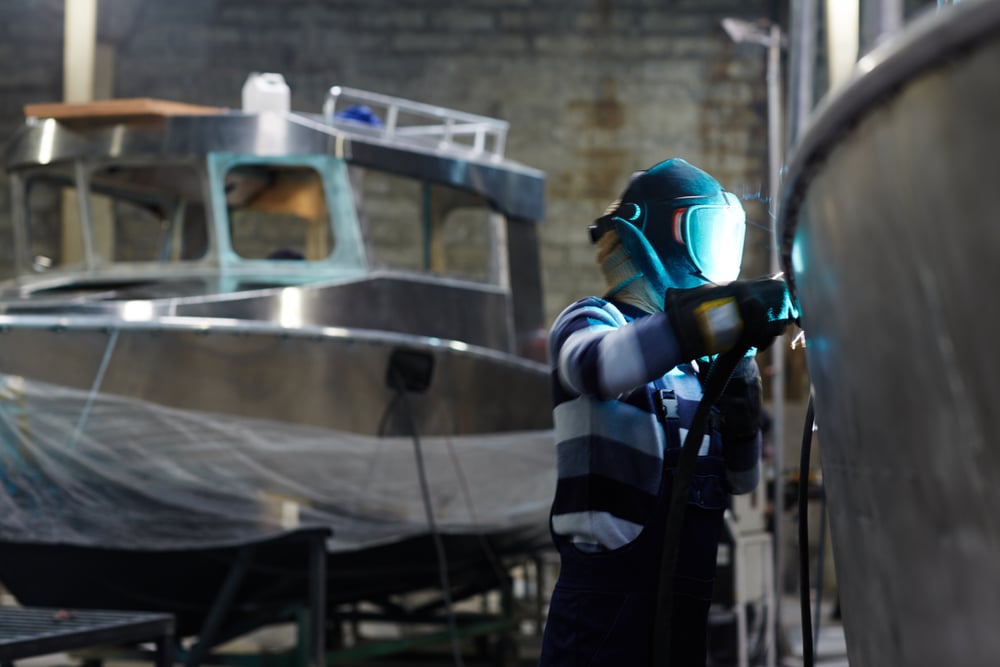
The Ultimate Solution: How Hybrid Polymer Marine Sealants Outperform Silicone & Polyurethane
Marine environments demand a sealant that can handle movement, moisture, vibration, salt, UV, and temperature swings—all without losing adhesion or breaking down.
That’s why marine manufacturers are shifting from traditional silicone or polyurethane to hybrid polymer technology.
Hybrid polymers combine the best qualities of both materials while eliminating their weaknesses. The result is a high-performance marine sealant that works reliably in both above-waterline and below-waterline applications.
|
Key Advantages of Hybrid Polymer Marine Sealants |
|
|
Advantage |
Why It Matters for Marine Manufacturing |
|
Bonds to metals, fiberglass, plastics & composites (no primer needed) |
Simplifies assembly and ensures strong adhesion across mixed-material builds, which are common in modern marine construction. |
|
Strong adhesion + long-term elasticity |
Absorbs vibration, hull flex, and thermal expansion without cracking, shrinking, or losing bond strength. |
|
Excellent UV, salt & temperature resistance |
Prevents discoloration, brittle failure, and surface degradation in harsh marine climates. |
|
Waterproof & weatherproof |
Performs reliably in both constant submersion and topside exposure, reducing long-term maintenance issues. |
|
Paintable finish |
Allows a clean, professional appearance—an advantage over silicone, which can’t be painted. |
|
Low odor, solvent-free & isocyanate-free |
Safer for enclosed spaces and indoor assembly environments; supports EHS compliance. |
|
Versatile for above- and below-waterline applications |
One sealant technology can meet multiple performance requirements across the vessel. |
What This Means for Marine Manufacturers
Hybrid polymer sealants simplify your product selection, streamline assembly, and improve long-term durability across your builds. They deliver consistent, reliable performance in every condition — from deck rails to submerged joints.
How to Select the Right Marine Sealant or Adhesive for Your Application
Choosing the proper marine sealant doesn’t have to be complicated, but it does require understanding the specific demands of your assembly.
Use this quick, engineering-friendly checklist to make the best selection every time.
Marine Sealant Selection Checklist:
- Identify the exposure level
Will the sealant be subjected to constant submersion, intermittent splash, or topside-only conditions? - Confirm substrate types
Are you bonding metal to fiberglass? Plastic to composite? Mixed materials require a sealant with broad compatibility. - Determine required flexibility
Will the joint experience vibration, hull movement, or thermal expansion? If yes, prioritize elasticity. - Check UV requirements
Topside components demand UV stability to prevent yellowing, chalking, or embrittlement. - Ensure paint compatibility
If a clean finish is required, avoid silicone and opt for a paintable hybrid polymer instead. - Choose low-VOC, hybrid polymer technology
For long-term performance, easier manufacturing, and safer indoor use. - Request documentation (TDS/SDS)
Always review Technical Data Sheets (TDS) and Safety Data Sheets (SDS) when specifying materials for marine manufacturing.
Featured Products:
Why Marine Pros Choose Seal Bond® 105

Marine manufacturers, boat builders, and repair professionals rely on Seal Bond® 105 because it solves the performance challenges that traditional silicone and polyurethane can’t.
Engineered specifically for demanding environments, Seal Bond® 105 delivers durable adhesion, long-term elasticity, and proper marine-grade waterproofing.
Key Benefits of Seal Bond® 105:
- Engineered for marine-grade durability
Designed to withstand saltwater, UV radiation, vibration, and extreme temperatures. - Permanently elastic for movement and vibration
Maintains a flexible bond to accommodate hull flex, engine vibration, and structural movement. - Excellent adhesion to common marine substrates
Bonds to fiberglass, metals, plastics, composites, and more — often without primers. - Waterproof and UV-resistant
Performs in submerged environments and topside installations without yellowing or cracking. - Low odor and solvent-free
Safer and more comfortable to use in interior spaces, marinas, and enclosed manufacturing areas. - Versatile for both above- and below-waterline use
One sealant covers multiple marine applications — from rails and windows to thru-hulls and keel joints.
Seal Bond® 105 is designed for real-world marine performance — anywhere on the vessel.
Why Marine Pros Choose Seal Bond® 110
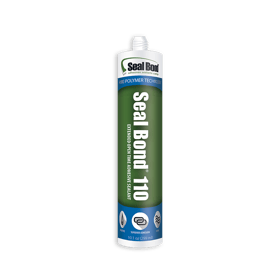
Marine manufacturers, boat builders, and repair professionals rely on Seal Bond® 110 when applications demand extended working time, flexible performance, and dependable marine-grade sealing—without the limitations of traditional silicones and polyurethanes.
Key Benefits of Seal Bond® 110:
- Extended open time for complex installations
Provides longer working time for precise alignment and multi-part assemblies—ideal for marine fabrication, refits, and detailed installations. - Permanently elastic with movement capability
Accommodates up to ±25% joint movement, allowing it to handle hull flex, vibration, and thermal expansion without cracking or losing adhesion. - Excellent adhesion to common marine substrates
Bonds to fiberglass, metals, plastics, composites, and more—often without primers—helping simplify installation and reduce prep time. - Water-resistant and paintable
Creates a durable seal suitable for marine exposure and can be painted for clean, finished appearances in visible areas. - Solvent-free and ultra-low VOC
Safer to use in enclosed spaces such as cabins, workshops, and marinas, with minimal odor and improved applicator comfort. - Multi-purpose versatility across marine applications
A single adhesive/sealant solution for bonding, sealing, and finishing—reducing the need to stock multiple products onboard or in the shop.
Seal Bond 110 is designed for flexibility, control, and dependable performance—where marine applications require more working time without compromising durability.
Build Stronger, Longer-Lasting Marine Assemblies With the Right Sealant
Choosing the proper marine sealant is one of the most important decisions you can make when building or repairing a vessel. Above-waterline applications demand UV stability and a clean finish, while below-waterline joints require waterproofing, high-strength adhesion, and long-term elasticity under extreme conditions.
By upgrading to hybrid polymer technology, you reduce maintenance issues, extend component life, and improve the overall integrity of your marine assemblies.
If you want to ensure your builds stay watertight, durable, and ready for any condition:
Contact Seal Bond to request a sample, review technical documentation, or discuss which marine sealant is best for your manufacturing needs.