Primerless sealants are adhesives formulated to bond directly to substrates without requiring primer application. By eliminating surface preparation steps, primerless adhesion sealants help manufacturers reduce labor time, streamline assembly workflows, and improve production consistency.
In high-throughput manufacturing environments, every step in the assembly process affects efficiency, consistency, and overall production output.
Traditional adhesives and sealants often require primers or additional surface preparation before bonding can occur. While primers can improve adhesion in some cases, they also introduce extra steps that increase labor time, slow production lines, and create opportunities for inconsistency.
Modern adhesive technologies have changed that equation.
Primerless sealants allow manufacturers to achieve strong, durable bonds without primer application, eliminating unnecessary surface preparation steps and improving production efficiency.
In this article, we explore how primerless sealants streamline industrial assembly workflows and how Seal Bond’s high-performance formulations help manufacturers achieve reliable bonding across a wide range of substrates.
Key Benefits of Primerless Adhesion Sealants:Primerless sealants help manufacturers improve production efficiency by:
Modern hybrid polymer sealants achieve strong adhesion across metals, plastics, composites, and coated substrates without requiring primer. |
What Is a Primerless Sealant?
A primerless sealant is an adhesive or sealing material designed to bond directly to substrates without requiring a primer or additional surface treatment.
These products are often referred to as primerless adhesion sealants because they eliminate primer application while maintaining strong adhesion across multiple substrates.
Modern primerless adhesion sealants can bond to many industrial materials, including:
Because primers are not required, primerless sealants help manufacturers:
- Reduce surface preparation steps
- Increase assembly line efficiency
- Improve bonding consistency across production runs
- Minimize production delays and assembly bottlenecks
Primerless sealants are widely used in industries such as transportation, manufacturing, appliance assembly, industrial equipment production, and construction, where reliable bonding and production efficiency are critical.
Why Primer Requirements Create Inefficiencies in Industrial Assembly
Primers are used to improve adhesion between an adhesive and the substrate. While this can enhance bonding performance in certain situations, the primer application process often introduces operational inefficiencies.
Additional Process Steps
Primer-based systems typically require several preparation steps before bonding can occur, including:
- Surface cleaning
- Primer application
- Primer drying or curing time
- Inspection before adhesive application
Each additional step increases the complexity of the assembly process and can slow production timelines.
Increased Labor Requirements
Applying primers requires additional operator time and training to ensure the material is applied correctly.
In high-volume manufacturing environments, this additional labor requirement can significantly impact overall production efficiency.
Production Bottlenecks
Primer drying or curing time can create delays on assembly lines. If primer application becomes inconsistent or is applied incorrectly, parts may need to be reprocessed before bonding can occur.
These interruptions can disrupt production schedules and increase manufacturing costs.
Higher Risk of Bonding Inconsistency
Incorrect primer application can lead to inconsistent adhesion results, including:
- Uneven bond strength
- Adhesion failures
- Increased product rework
Eliminating the primer step reduces the number of variables that can affect bonding performance.
Primer-Based vs. Primerless Sealant Assembly Workflows
The operational difference between primer-based systems and primerless adhesives can significantly impact manufacturing efficiency.
|
Step |
Primer-Based Adhesive |
Primerless Adhesive |
|
Surface cleaning |
Required |
Required |
|
Primer application |
Required |
Not required |
|
Primer drying time |
Required before bonding |
Not required |
|
Adhesive application |
Applied after primer cures |
Applied immediately |
|
Assembly time |
Slower multi-step process |
Faster simplified workflow |
|
Risk of adhesion errors |
Higher |
Lower |
By eliminating primer application and drying time, primerless sealants simplify bonding processes and reduce overall assembly time.
4 Ways Primerless Sealants Improve Manufacturing Efficiency
Primerless sealants provide several operational advantages for manufacturers looking to streamline production workflows and improve assembly efficiency.
1. Faster Assembly Processes
Without the need to apply and wait for primers to cure, assembly teams can move directly from surface preparation to adhesive application.
This significantly reduces production cycle time and allows manufacturers to increase assembly line throughput.
2. Reduced Labor Requirements
Primerless adhesives eliminate additional application steps, simplifying the bonding process and reducing labor requirements.
Manufacturers benefit from:
- Less operator training
- Fewer process steps
- Simplified production workflows
3. More Consistent Bonding Performance
Primerless systems reduce variability introduced by improper primer application.
This helps improve bonding consistency across large production runs while reducing the likelihood of bonding failures.
4. Lower Total Production Costs
Because primerless systems simplify bonding processes, manufacturers often experience:
- Reduced labor costs
- Lower material usage
- Less product rework
- Improved production efficiency
Over time, these benefits contribute to lower total manufacturing costs.
The Technology Behind Primerless Adhesion Sealants
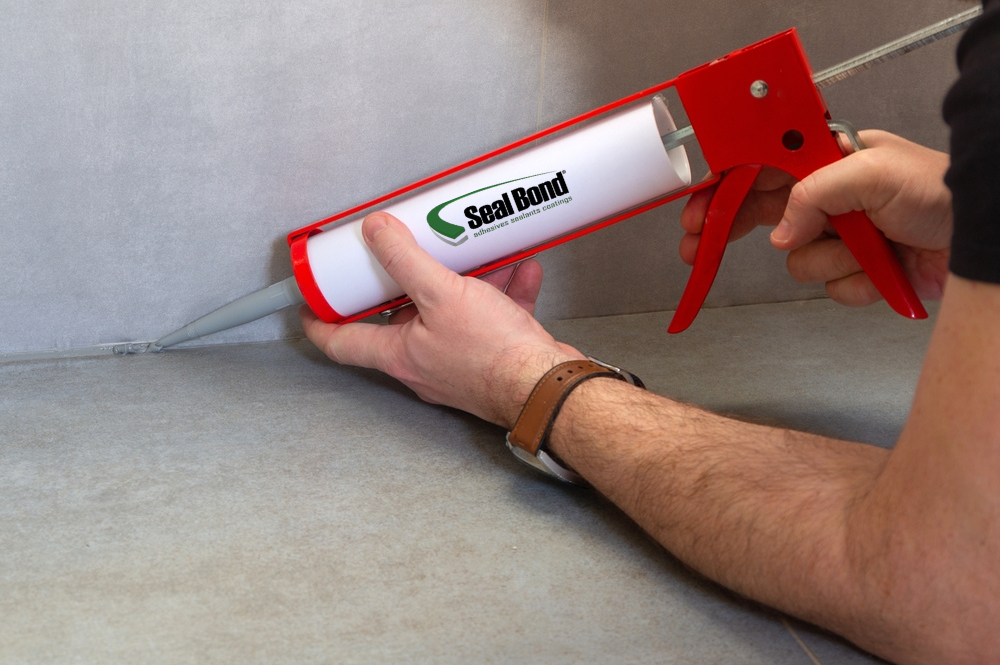
Modern primerless sealants rely on advanced hybrid polymer chemistry, to achieve strong adhesion without requiring primers.
These formulations combine the benefits of traditional polyurethane and silicone sealants while eliminating many of their limitations.
Hybrid polymer adhesives offer:
- Excellent adhesion to multiple substrates
- Durable elastomeric flexibility
- Resistance to vibration and thermal movement
- Long-term environmental durability
This allows primerless adhesives to maintain strong bonds across mixed-material assemblies, which are common in modern manufacturing.
Common Industrial Applications for Primerless Adhesion Sealants
Modern primerless adhesion sealants are engineered to bond to a wide range of industrial materials without requiring primers.
|
Substrate |
Typical Applications |
|
Steel and aluminum |
Transportation panels and industrial equipment |
|
Glass |
Window bonding and glazing |
|
Plastics |
Appliance housings and interior components |
|
Composite materials |
Transportation and structural assemblies |
|
Painted metals |
Exterior panels and enclosures |
|
Concrete and masonry |
Construction and infrastructure components |
Seal Bond’s hybrid polymer formulations are designed to maintain strong adhesion across these substrates while simplifying bonding processes.
When Do Adhesives Actually Require a Primer?
While many modern adhesives offer reliable primerless adhesion, there are still situations where primers may be recommended.
Understanding when primers are necessary helps manufacturers select the right bonding approach for their application.
Low Surface Energy Plastics
Certain plastics have low surface energy, which makes adhesion more difficult.
Examples include:
Primers may be used to improve bonding performance with these materials.
Highly Contaminated or Weathered Surfaces
In repair or retrofit applications, substrates may contain contaminants, such as oils, oxidation products, or coatings, that can interfere with adhesion.
Primers help improve bonding consistency in these situations.
Critical Structural Bonding Applications
In highly critical load-bearing applications, some manufacturers choose to use primers as an additional layer of bonding assurance.
However, many modern primerless adhesives can still provide reliable performance in demanding environments.
Common Industrial Applications for Primerless Sealants
Primerless adhesion sealants are widely used in manufacturing environments where efficient assembly workflows and reliable bonding performance are critical. Common applications include:
- Transportation manufacturing – sealing bus, truck, and rail panels
- Appliance assembly – bonding metal housings and structural components
- Industrial equipment manufacturing – sealing enclosures and equipment housings
- Construction assemblies – sealing joints between metal, glass, and composite materials
Primerless adhesion simplifies these applications by reducing preparation steps while maintaining durable bonding performance.
Product Spotlight: Seal Bond Primerless Adhesive Solutions for Industrial Assembly
Seal Bond develops high-performance adhesive and sealant formulations engineered to simplify industrial bonding processes while maintaining strong, durable adhesion.
Seal Bond® 105 High Performance Adhesive/Sealant
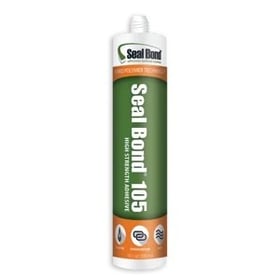
Seal Bond® 105 provides strong primerless adhesion to many industrial substrates, making it ideal for demanding bonding and sealing applications.
Its elastomeric flexibility helps absorb vibration and movement while maintaining long-term adhesion.
Seal Bond® 110 Extended Open Time Adhesive/Sealant
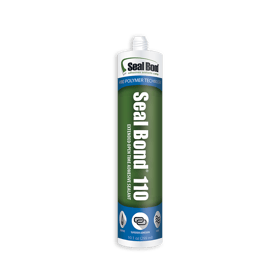
Seal Bond® 110 offers extended working time, making it well-suited for large assemblies or complex bonding applications.
Its primerless adhesion capability helps improve production efficiency while ensuring reliable performance across multiple substrates.
Seal Bond® 132 Multi-Purpose Adhesive/Sealant
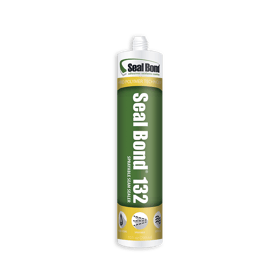
Seal Bond® 132 delivers durable, flexible bonding performance across a wide range of industrial sealing and assembly applications.
Its primerless adhesion simplifies manufacturing processes while maintaining strong, long-term bonds.
Key Benefits of Switching to Primerless Sealants:
Manufacturers are increasingly adopting primerless adhesion sealants because they help:
- Eliminate unnecessary surface preparation steps
- Reduce labor time and production delays
- Improve bonding consistency
- Minimize rework and product failures
- Increase assembly line efficiency
- Simplify manufacturing workflows
These advantages make primerless adhesives an effective solution for high-throughput industrial production environments.
Ready To Choose the Right Primerless Sealant for Your Application?
Selecting the right adhesive requires evaluating several factors, including:
- Substrate compatibility
- Environmental exposure conditions
- Movement and vibration requirements
- Cure speed and open time
- Long-term durability needs
Seal Bond’s technical team works closely with manufacturers to help determine the best adhesive solution for specific production environments.
We have a library of hundreds of products. Contact us today to learn more or request a free sample.
Frequently Asked Questions
What Is a Primerless Sealant?
A primerless sealant is an adhesive designed to bond directly to substrates without requiring primer application or additional surface treatment.
What Are the Benefits of Using Primerless Adhesion Sealants in Manufacturing?
Primerless sealants have many benefits—they reduce surface preparation steps, simplify assembly processes, and improve production efficiency while maintaining strong bonding performance.
Do All Adhesives Require a Primer for Proper Bonding?
No, not all adhesives require a primer for proper bonding. Many modern adhesive technologies are formulated to bond directly to substrates without primers. However, primers may still be recommended for certain low-surface-energy plastics or contaminated surfaces depending on the application.
What Surfaces Can Primerless Sealants Bond To?
Primerless adhesion sealants are designed to bond directly to many common industrial substrates without requiring primers. These materials typically include metals such as steel and aluminum, glass, plastics, composite materials, and painted or coated surfaces.
However, certain low-surface-energy plastics like polyethylene or polypropylene may still require specialized surface treatment or primers depending on the application.