Marine environments are among the most demanding conditions any adhesive will face. Constant exposure to moisture, saltwater, UV radiation, and mechanical stress puts continuous strain on bonded materials.
For manufacturers, fabricators, and repair teams, choosing the wrong adhesive doesn’t just lead to bond failure—it leads to rework, downtime, and long-term durability issues.
This is why understanding what truly qualifies as a marine-grade adhesive is critical.
Quick Answer: What Is a Marine-Grade Adhesive?A marine-grade adhesive is an adhesive designed to maintain strong, flexible bonds in wet, UV-exposed, and high-movement environments. To meet marine-grade standards, it must resist moisture, UV degradation, vibration, and chemical exposure without losing adhesion over time. |
Key Takeaways:
- Marine-grade adhesives resist water, UV, and environmental degradation
- They remain flexible to handle vibration and material movement
- They bond to multiple substrates like fiberglass, metal, and plastics
- Hybrid polymer adhesives are commonly used for marine applications
Why Are Marine Environments So Demanding on Adhesives?
Marine applications introduce a combination of stressors that most standard adhesives are not designed to handle simultaneously.
These stressors include:
- Continuous water exposure (freshwater and saltwater)
- Thermal cycling from sun exposure and cooling
- Mechanical vibration from engines, transport, and wave impact
- Material expansion and contraction
- Chemical exposure from salt, fuel, and oils
Each of these can individually impact adhesive performance. Together, they accelerate degradation and increase the likelihood of premature failure.
When adhesives fail in marine environments, the result isn’t just a repair—it’s downtime, rework, and potential system failure.
What Are the Core Performance Requirements of a Marine-Grade Adhesive?
To perform reliably in marine environments, adhesives must meet several critical performance requirements that go beyond standard bonding strength.
1. Water and Moisture Resistance (Above and Below Waterline)
A marine-grade adhesive must maintain bond integrity even when exposed to constant moisture or full submersion.
This includes:
- True waterproof performance, not just water resistance
- Stability in below-waterline applications
- Resistance to hydrolysis, which can break down weaker adhesives over time
In marine environments, moisture isn’t occasional—it’s constant. Adhesives that aren’t designed for this will fail.
2. UV and Weather Resistance
UV exposure is one of the most overlooked causes of adhesive failure.
Over time, UV radiation can:
- Break down polymer structures
- Cause cracking or chalking
- Reduce adhesion strength
Marine-grade adhesives must be formulated to withstand long-term sun exposure without degrading, especially in exposed applications such as decks, joints, and exterior assemblies.
3. Flexibility and Movement Accommodation
Marine environments are dynamic. Materials expand, contract, and move constantly.
Rigid adhesives may offer initial strength, but they often fail quickly under these conditions.
Marine-grade adhesives must provide:
- High elongation and elasticity
- The ability to absorb vibration and shock
- Long-term flexibility without cracking
This is especially critical when bonding dissimilar materials that expand at different rates.
4. Adhesion to Multiple Substrates
Marine assemblies rarely involve a single material.
Common substrates include:
- Fiberglass
- Aluminum
- Steel
- Plastics and composites
A marine-grade adhesive must be able to bond these materials effectively (often without primers) while maintaining performance over time.
5. Chemical and Saltwater Resistance
Saltwater is highly corrosive and accelerates material breakdown.
In addition to salt exposure, marine adhesives must also resist:
- Fuel
- Oils
- Cleaning agents
- Environmental contaminants
Without this level of resistance, adhesives can soften, degrade, or lose adhesion prematurely.
What Is the Best Type of Marine-Grade Adhesive?
For most marine applications, hybrid polymer (MS/SMP) adhesives are the best choice for a marine-grade adhesive.
They provide strong bonding, flexibility, and long-term resistance to moisture and UV exposure
These adhesives balance durability and performance better than traditional rigid or brittle systems.
What’s the Difference Between Marine-Grade and Standard Adhesives?
Not all adhesives are designed for marine use. This comparison highlights why marine-grade formulations are required for long-term performance.
Marine Adhesive vs. Standard Adhesive: Key Differences
The key difference is simple: marine-grade adhesives are designed to withstand constant exposure and movement, while standard adhesives are not.
|
Feature |
Marine-Grade Adhesive |
Standard Adhesive |
|
Water Resistance |
Fully waterproof/submersible |
Limited |
|
UV Resistance |
High |
Low to moderate |
|
Flexibility |
High (handles movement) |
Often rigid |
|
Durability |
Long-term in harsh environments |
Shorter lifespan |
|
Chemical Resistance |
Resists salt, fuel, oils |
Limited |
In marine applications, these differences aren’t minor. They directly determine whether a bond lasts or fails.
What Happens If You Don’t Use a Marine-Grade Adhesive?
Using a standard adhesive in a marine environment almost always leads to premature failure.
Common issues include:
- Cracking due to a lack of flexibility
- Adhesion loss from moisture intrusion
- UV degradation over time
- Delamination between dissimilar materials
- Increased maintenance, rework, and downtime
For manufacturers and repair teams, these failures translate directly into higher costs and reduced reliability.
How Do You Choose the Right Marine-Grade Adhesive?
Selecting the right adhesive isn’t just about strength. It’s about matching performance to the environment.
Key factors to evaluate:
- Above vs below waterline use
- Required flexibility vs. structural strength
- Substrate compatibility
- Exposure to UV, chemicals, and temperature extremes
- Cure time and application conditions
The best-performing adhesive is the one that aligns with real-world conditions—not just product specs on paper.
Where Are Marine-Grade Adhesives Used?
Marine-grade adhesives are used across a wide range of manufacturing and repair applications, including:
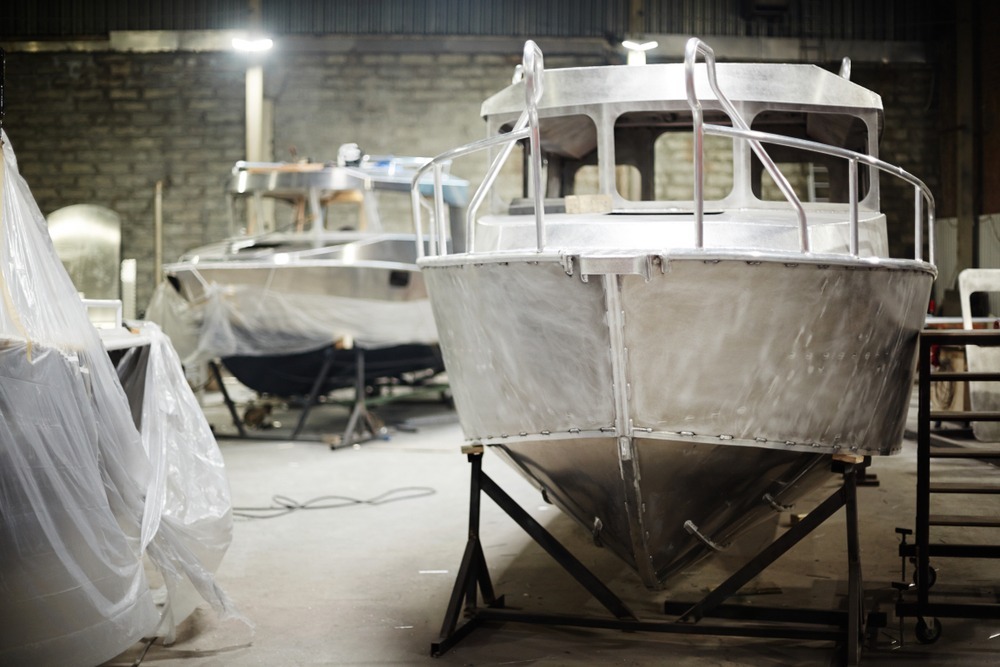
- Boat manufacturing and assembly
- Deck bonding and sealing
- Window and hatch installation
- Hull repairs and maintenance
- Marine equipment and component bonding
These applications require adhesives that can maintain performance under constant exposure—not just initial bond strength.
Why Are Hybrid Polymer Adhesives Popular in Marine Applications?
Hybrid polymer adhesives (also called MS or SMP adhesives) are becoming a preferred solution in marine environments because they balance strength, flexibility, and environmental resistance.
They offer:
- Strong adhesion without brittleness
- Excellent UV and weather resistance
- Compatibility with multiple substrates
- Low VOC formulations for safer application
- Reduced need for primers in many cases
For teams looking to reduce failure risk while improving efficiency, hybrid adhesives provide a more reliable long-term solution.
This is why many marine manufacturers are moving toward hybrid polymer systems, such as those developed by Seal Bond.
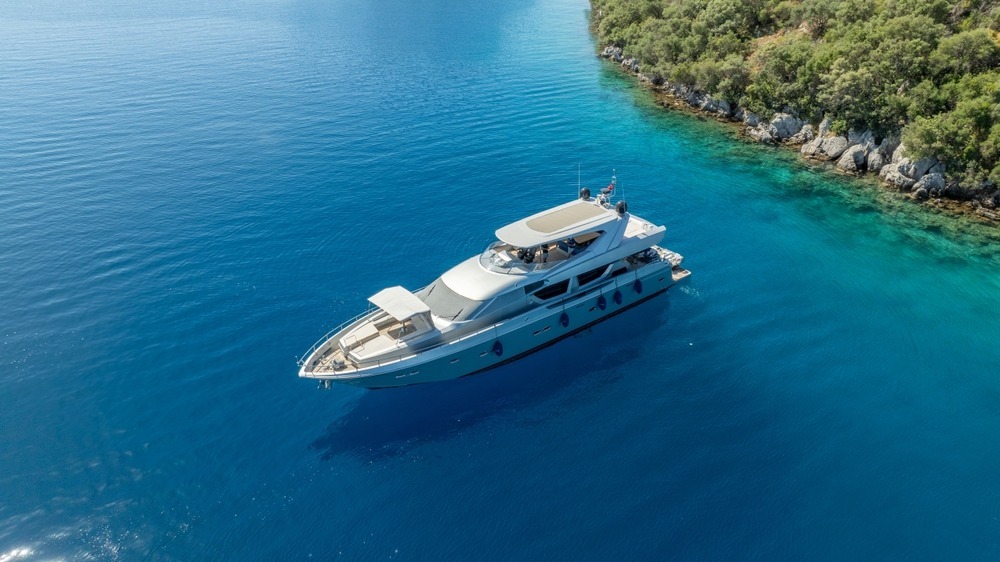
Real-World Example: Seal Bond Helps Solve Marine Adhesive Failure in Yacht Manufacturing
A prominent luxury yacht manufacturer experienced ongoing issues with their previous sealant, including mold and mildew growth, UV-related yellowing, and cracking over time.
These failures led to increased service calls, higher maintenance costs, and reduced product durability.
The manufacturer switched to a combination of Seal Bond® 105 and Seal Bond® 110 adhesives and sealants. After the change, the manufacturer eliminated previous issues entirely—achieving long-term resistance to UV exposure, moisture, and microbial growth while improving overall product performance.
This is a clear example of how selecting a true marine-grade adhesive directly impacts durability, reliability, and customer satisfaction.
Frequently Asked Questions :
Here are answers to some of the most common questions about marine-grade adhesives and their performance in real-world applications.
What is the difference between a marine adhesive and a marine sealant?
Marine adhesives are designed for bonding strength and structural attachment, while marine sealants are used for sealing, waterproofing, and preventing leaks. Many modern marine-grade products combine both bonding and sealing capabilities.
Can marine-grade adhesives be used below the waterline?
Yes—but only marine-grade adhesives specifically rated for continuous submersion should be used below the waterline to ensure long-term performance.
How long do marine-grade adhesives last?
When properly selected and applied, marine-grade adhesives can last for many years, even under constant moisture, UV exposure, and movement.
Do marine adhesives require surface preparation?
Yes. Proper surface preparation is essential to ensure strong initial adhesion and long-term durability, especially in harsh marine environments.
What makes an adhesive “marine-grade”?
A marine-grade adhesive is defined by its ability to withstand moisture, UV exposure, vibration, and material movement without losing adhesion over time.
What adhesive is best for boats?
Marine-grade hybrid polymer adhesives are typically the best choice because they provide strong bonding, flexibility, and long-term resistance to water and UV exposure.
Is marine adhesive waterproof?
Yes. True marine-grade adhesives are fully waterproof and maintain adhesion even when submerged.
Can you use regular adhesive in marine environments?
No. Standard adhesives are not designed for constant moisture, UV exposure, or movement and will typically fail over time.
Marine-Grade Performance You Can Rely On with Seal Bond
Marine environments don’t allow for shortcuts. Adhesives must perform under constant stress, exposure, and movement.
That’s why not just any adhesive will do.
Need help selecting the right marine-grade adhesive for your application?
Talk with Seal Bond’s team to get product recommendations or request a sample for your specific use case.